
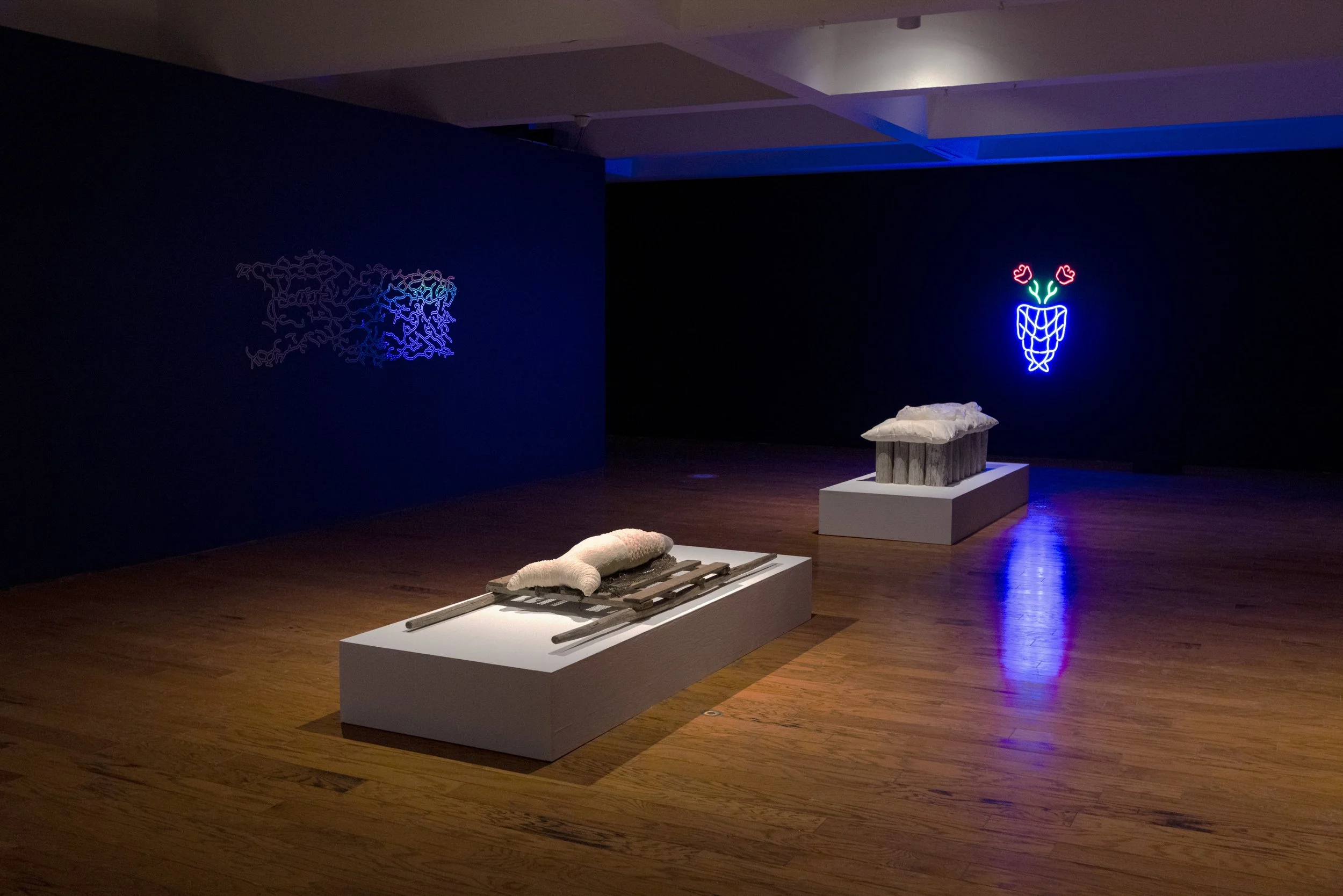
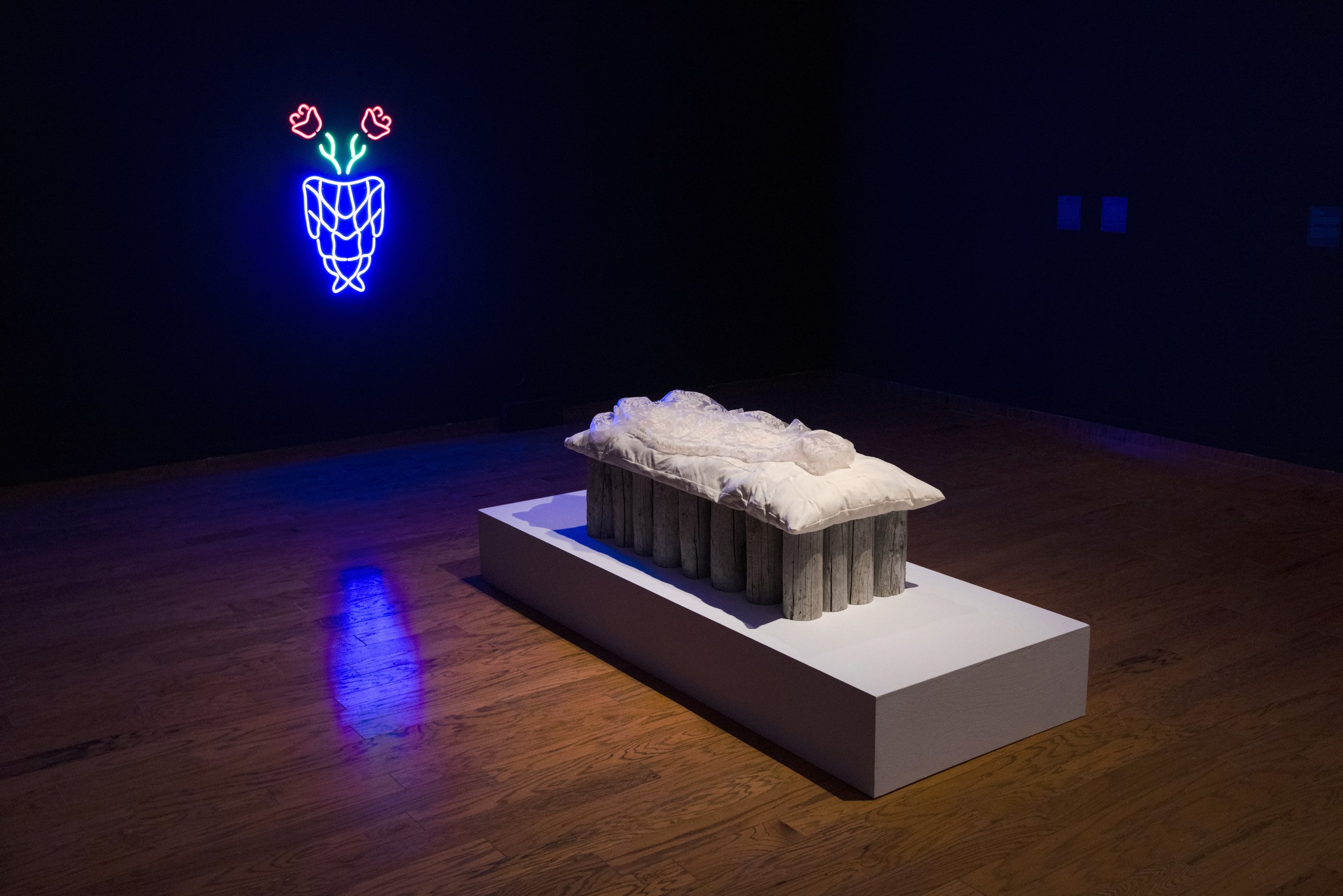
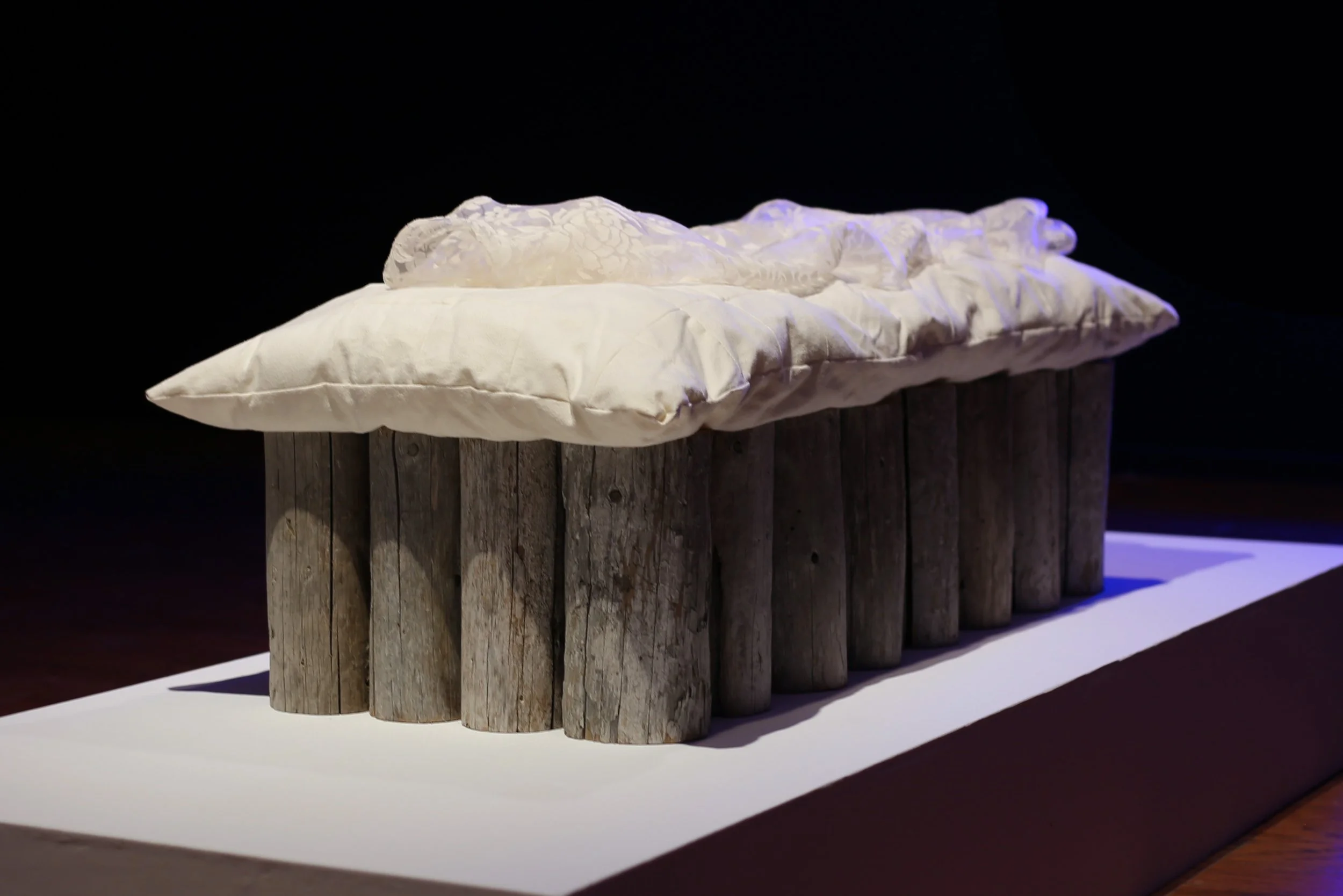
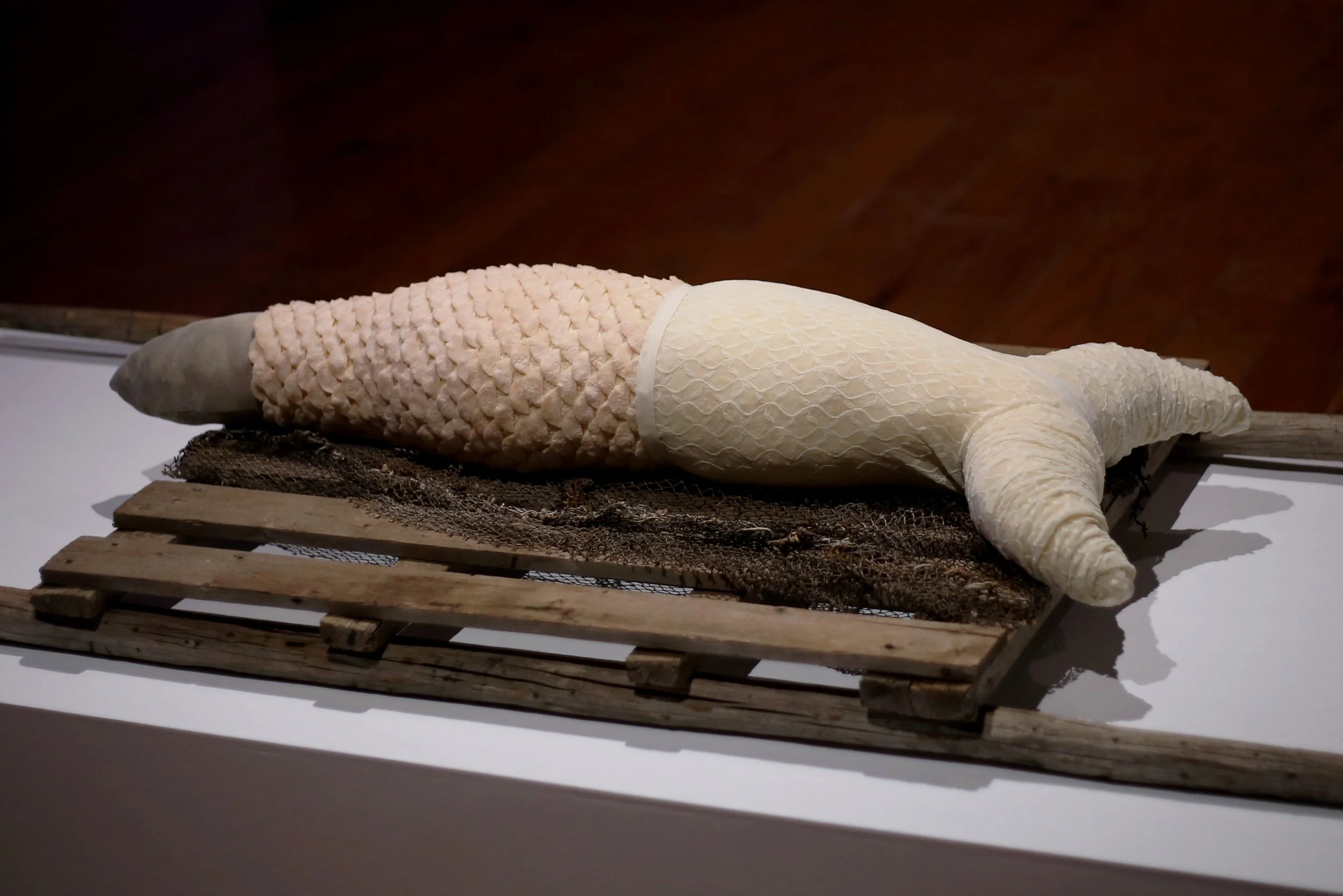
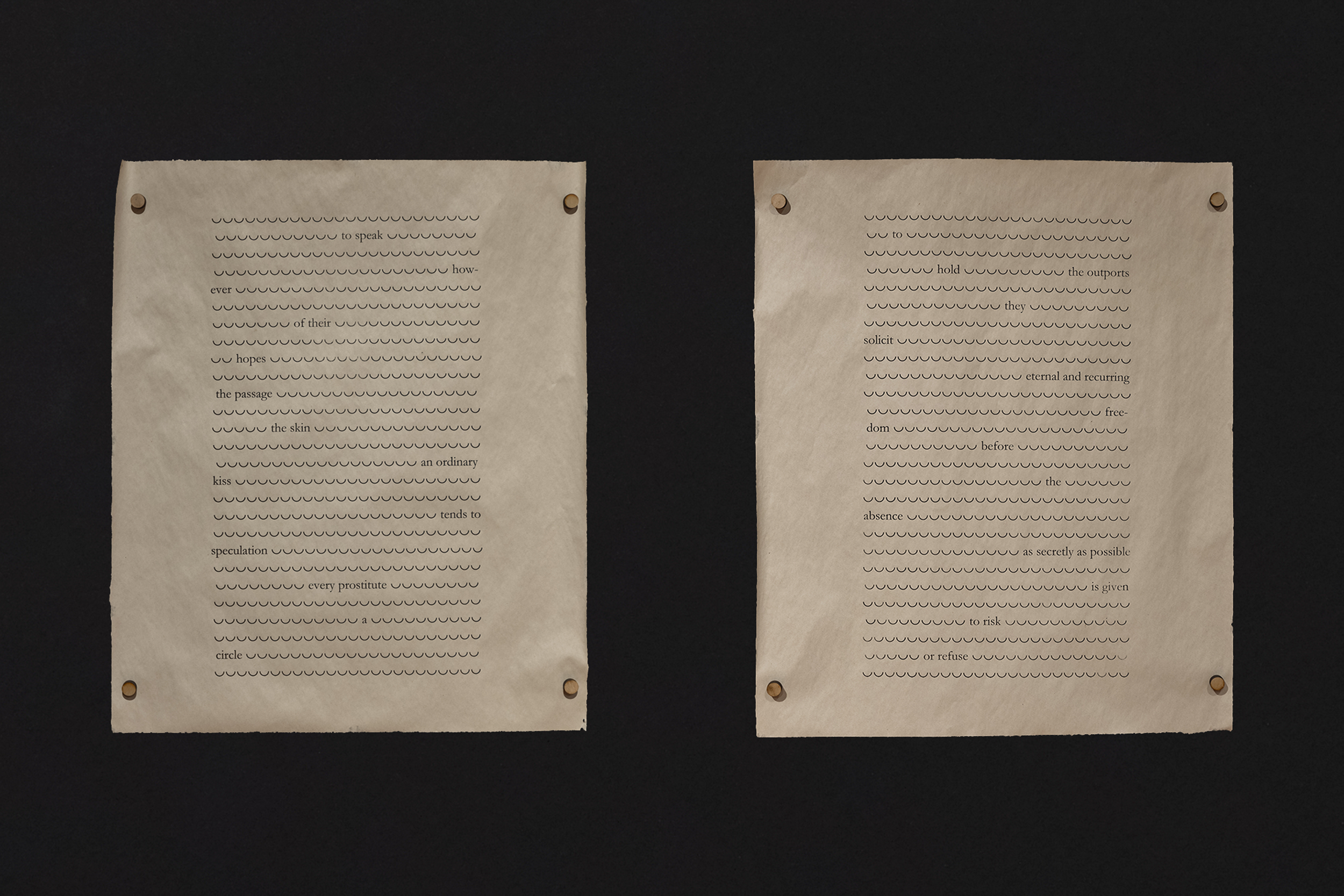
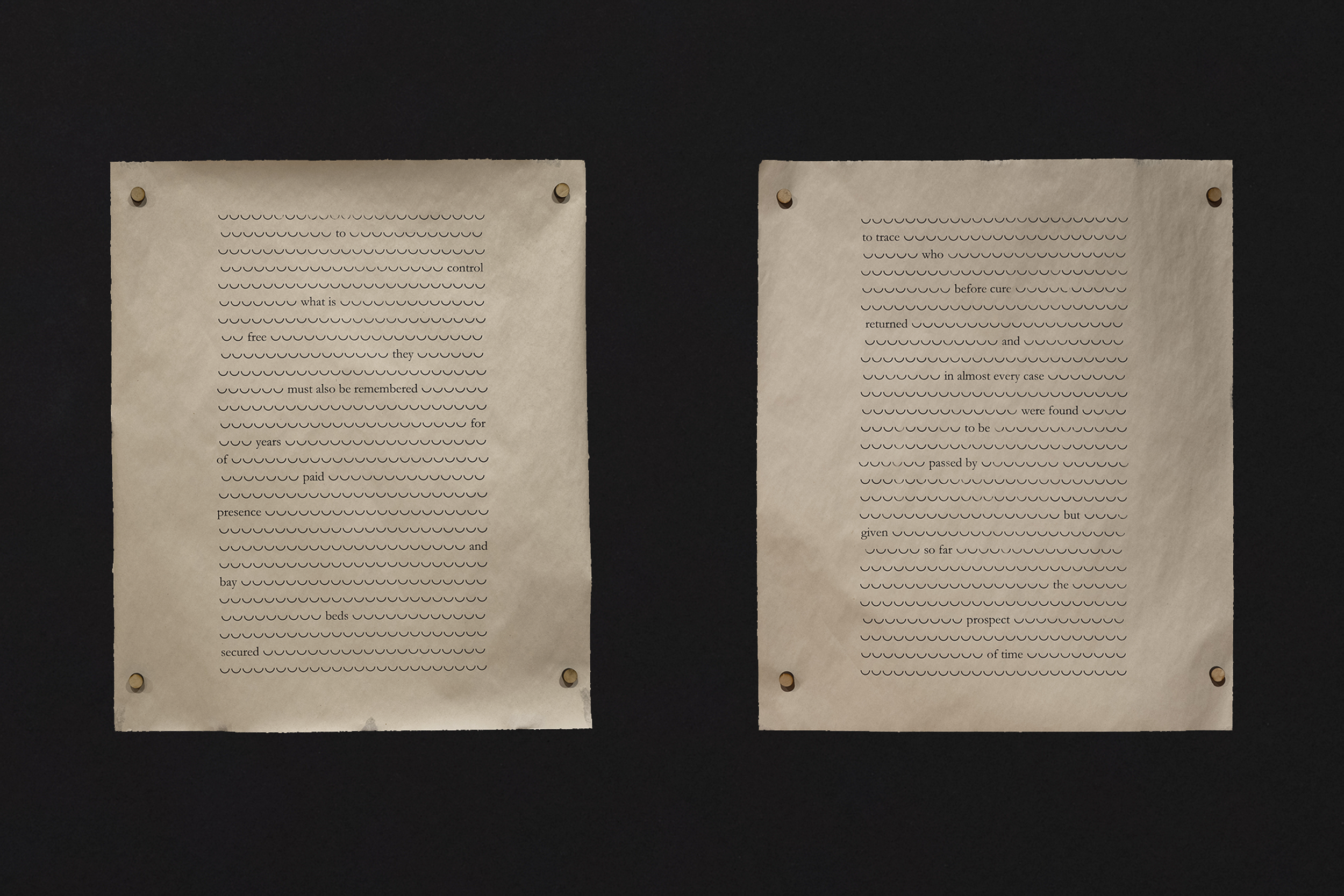
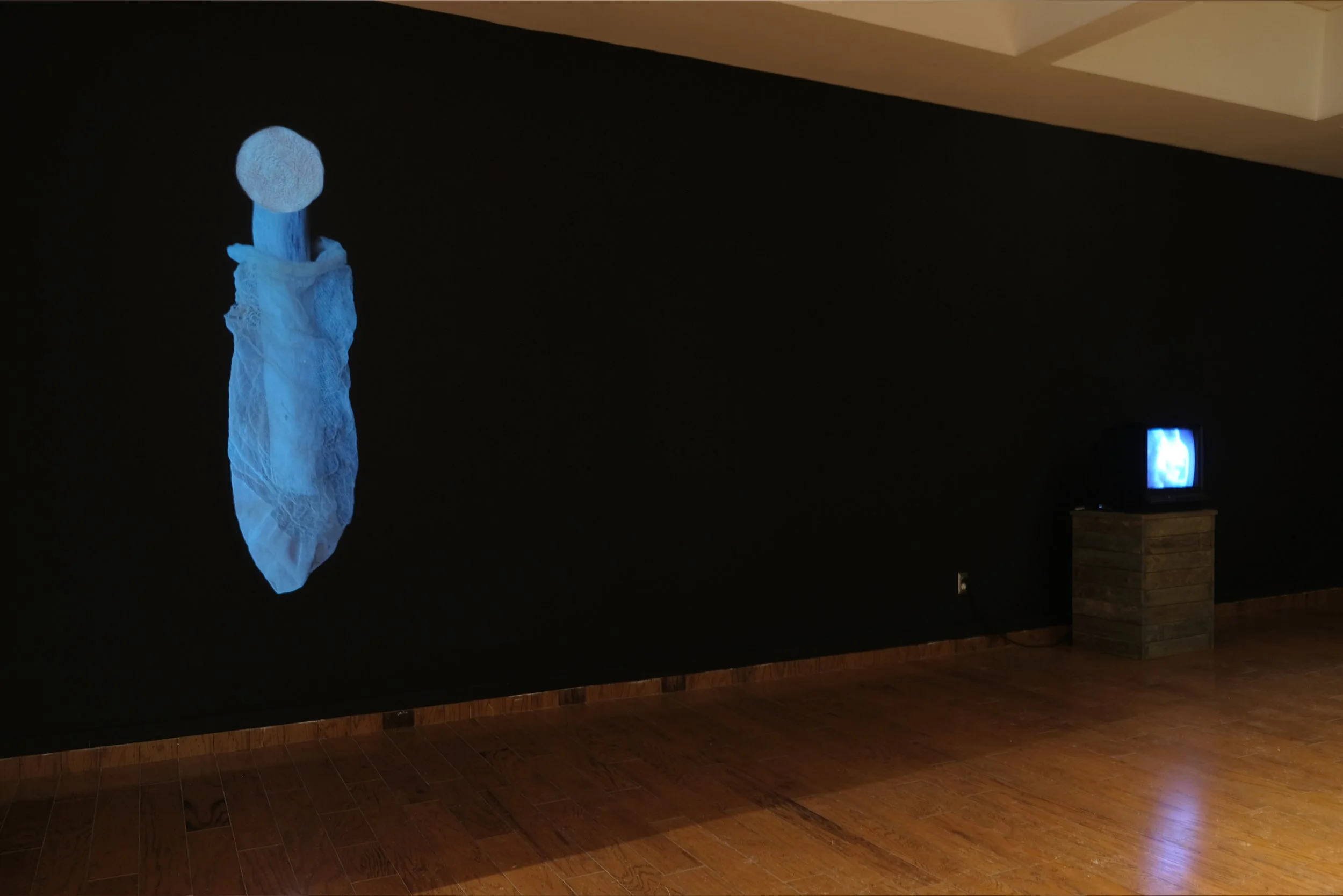
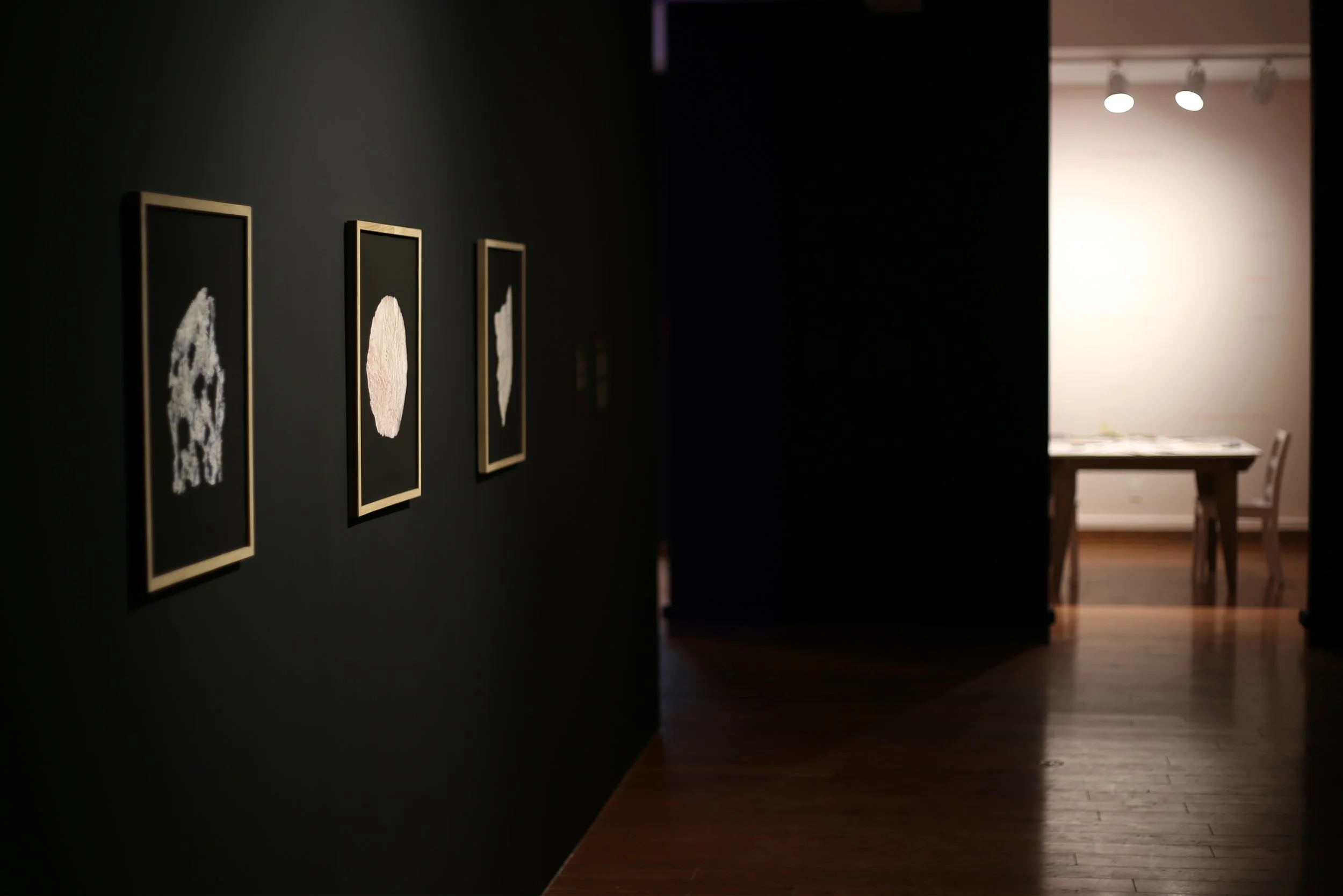
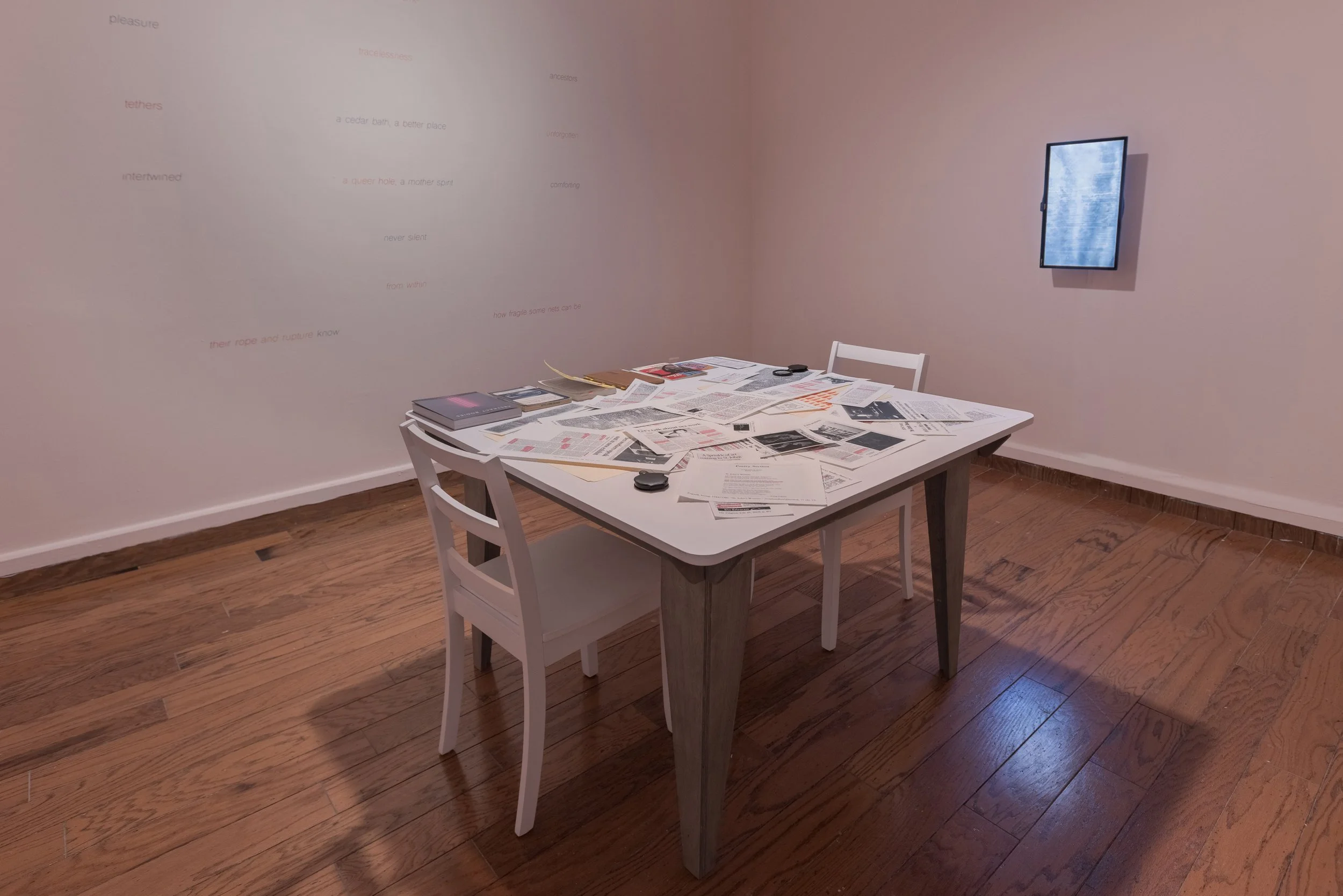
pleasuremonger (2026)
Engendered by colonial violence and economic struggle, Newfoundland’s long history of prostitution is intimately connected to oceanic migration, resource extraction, and trade. Across generations and harbours, the entangled and precarious labours of the fish trade and the sex trade have produced a narrative of concurrent inequality and interdependence.
For over two centuries, the lived realities of Newfoundland sex workers have been misrepresented and stigmatized in media and cultural exchanges, yet over the past two decades, sex workers have begun to challenge the historical record, using art as a critical practice to speak truth to power and fight for justice.
Working within this legacy of art and activism, Daze Jefferies explores how fragmented knowledge and stories – communicated through regionally specific archival materials, found objects, and oral histories – can form interconnected and fluid narratives between the past and present. In pleasuremonger, her vision of sex worker justice responds to archival embodiments and rural touches, evoking possibilities of intergenerational love, choice, and regard at the water’s edge.
Using poetic interventions through sculpture, print, time-based media, and oral history collaborations, Jefferies engages in reparative storytelling to imagine how the presence of sex workers can be salvaged from archives and felt through watery forms, such as whore’s eggs, beach roses, nets, and fishy beings.
Acknowledging the tenacity of sex worker foremothers, and seeking connection within and against the historical record, pleasuremonger offers alternative practices of recognition and resistance across time.
pleasuremonger, curated by Emily Critch, at Memorial University’s Grenfell Art Gallery in Corner Brook, NL from January 23 to March 28, 2026. Photos courtesy of Jane Walker and Kurtis Walsh.